The use of genetically modified organisms is prohibited in organic production.
← For you
For consumers
Make an informed choice
A practical guide to understanding EU organic food, recognising certified products and discovering organic tastes from Poland and Romania.
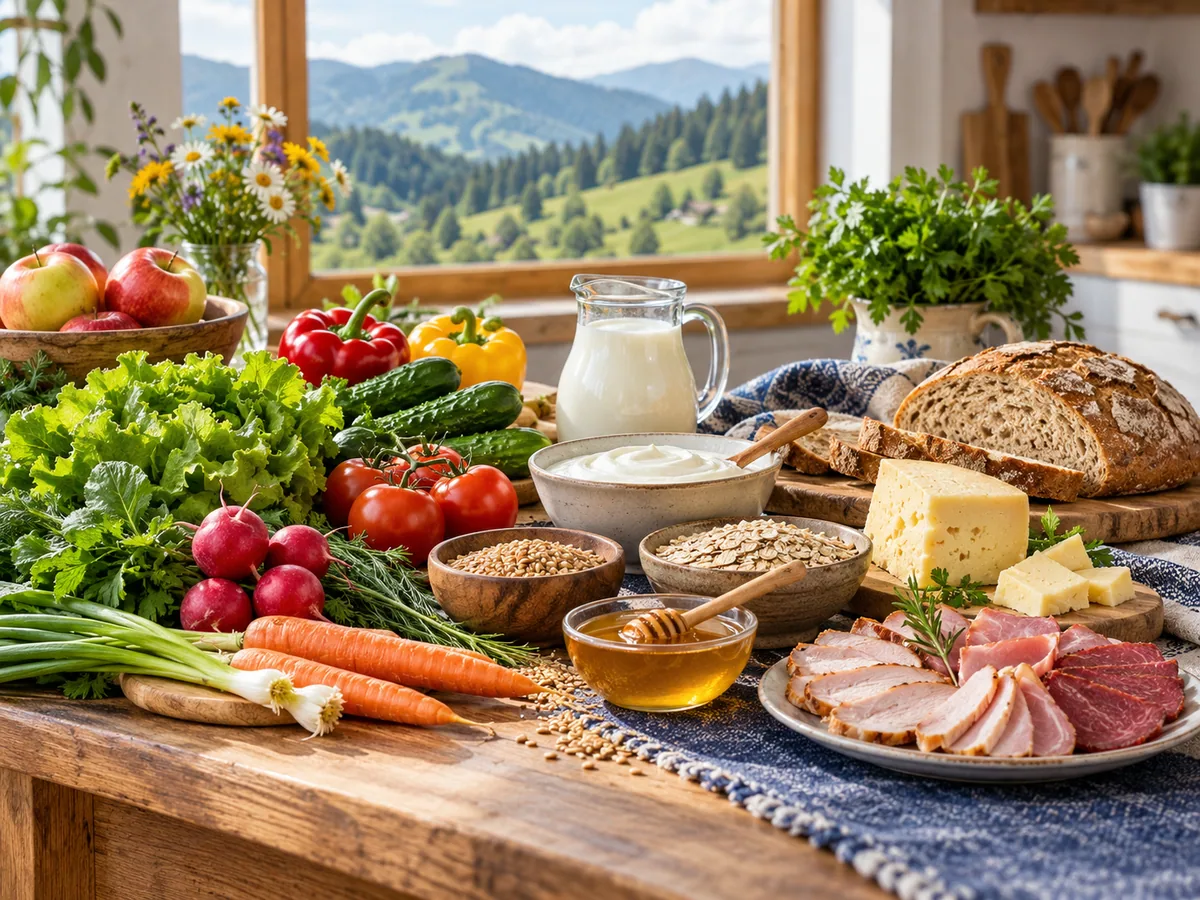
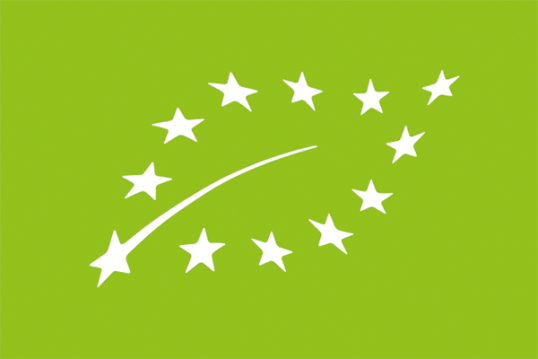
Look for the leaf.
Then check the control-body code and farming-origin statement.
01 · Organic explained
What does organic mean?
In the European Union, “organic” is a regulated production method — not simply a marketing expression.
EU organic rules cover the food chain from agricultural production through preparation, storage, transport and distribution. Farmers, processors and traders must follow defined requirements and be included in the control system before marketing products as organic.
Artificial fertilisers, herbicides and pesticides are strictly limited, with only authorised substances permitted.
Practices include crop rotation, green manure and approaches that encourage natural pest control.
Organic livestock rules address feed, housing, stocking density, health and access to open air whenever possible.
Important: Organic certification describes how a product is produced and controlled. It should not be treated as a guarantee that one individual food is automatically healthier than another.
02 · Read the label
How to recognise an EU organic product
Three pieces of information help you verify an organic product at a glance.
The EU organic logo
The euro-leaf identifies products certified under EU organic rules. It is compulsory on most pre-packed organic food produced and sold within the EU.
AB-CDE-999
The control-body code
A code identifying the authority or body responsible for controlling the operator must appear in the same visual field as the logo.
EU Agricultureor a more specific permitted origin statement
The farming origin
Directly below the control-body code, look for information showing where the agricultural raw materials were farmed.
For processed food:
Explore the interactive certification guide
Use of the EU organic logo generally requires at least 95% of the agricultural ingredients by weight to be organic, together with additional conditions for the remaining ingredients.
03 · The campaign promise
Better for you, nature and the future
Four simple ideas explain the value of a transparent and controlled European production system.
Better for you
A clearer choice for people who value verified origin, transparent standards and informed food decisions — without unsupported health promises.
Better for nature
Organic rules support practices focused on soil fertility, biodiversity, responsible use of inputs and care for natural resources.
Better for the future
More responsible production and consumption can contribute to a resilient food culture for current and future generations.
Certified EU quality
The euro-leaf connects the product with regulated standards, certification and controls throughout the organic food chain.
04 · Explore the range
Discover organic food from Poland and Romania
Two European origins bring together agricultural diversity, regional traditions and a wide range of certified organic products.
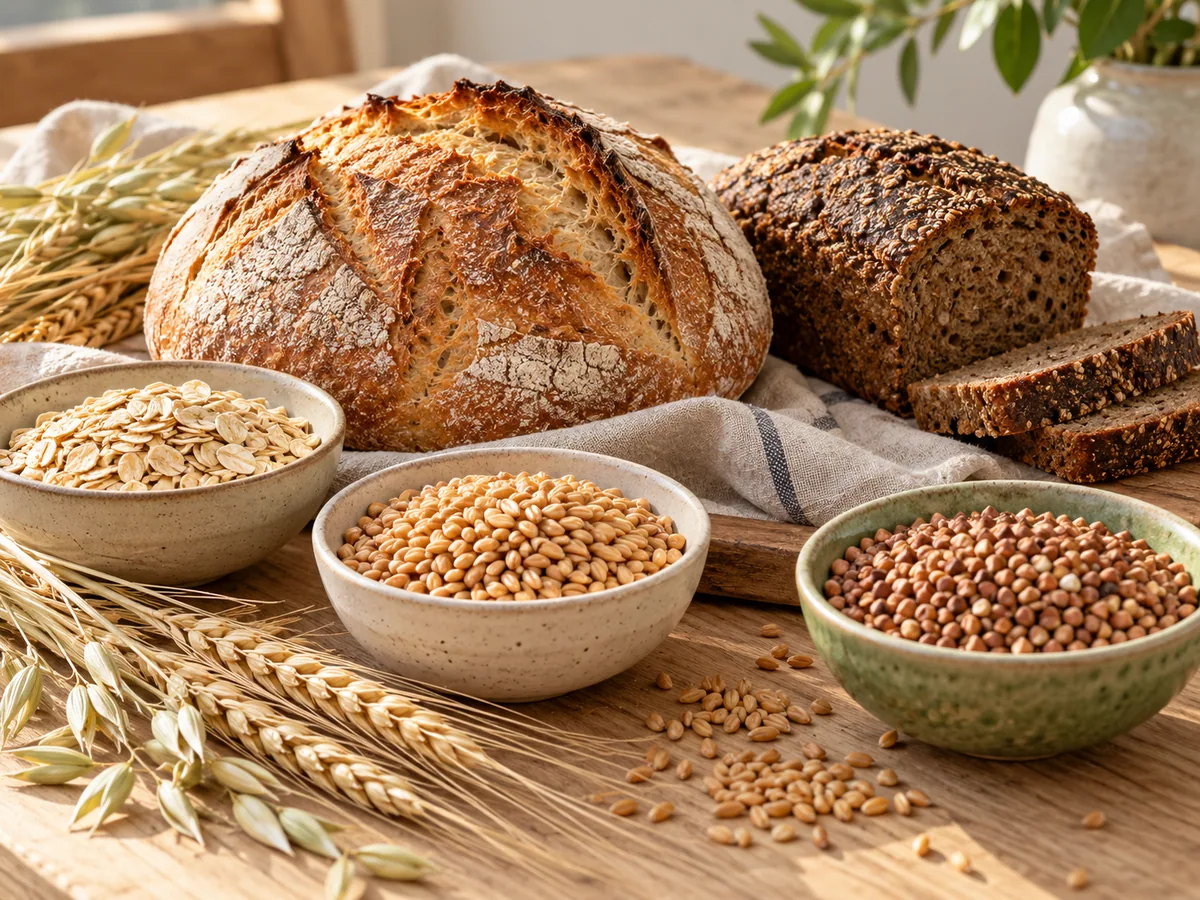
Grains & bakery
Grains, flours, cereals, breads and baked products for everyday meals.
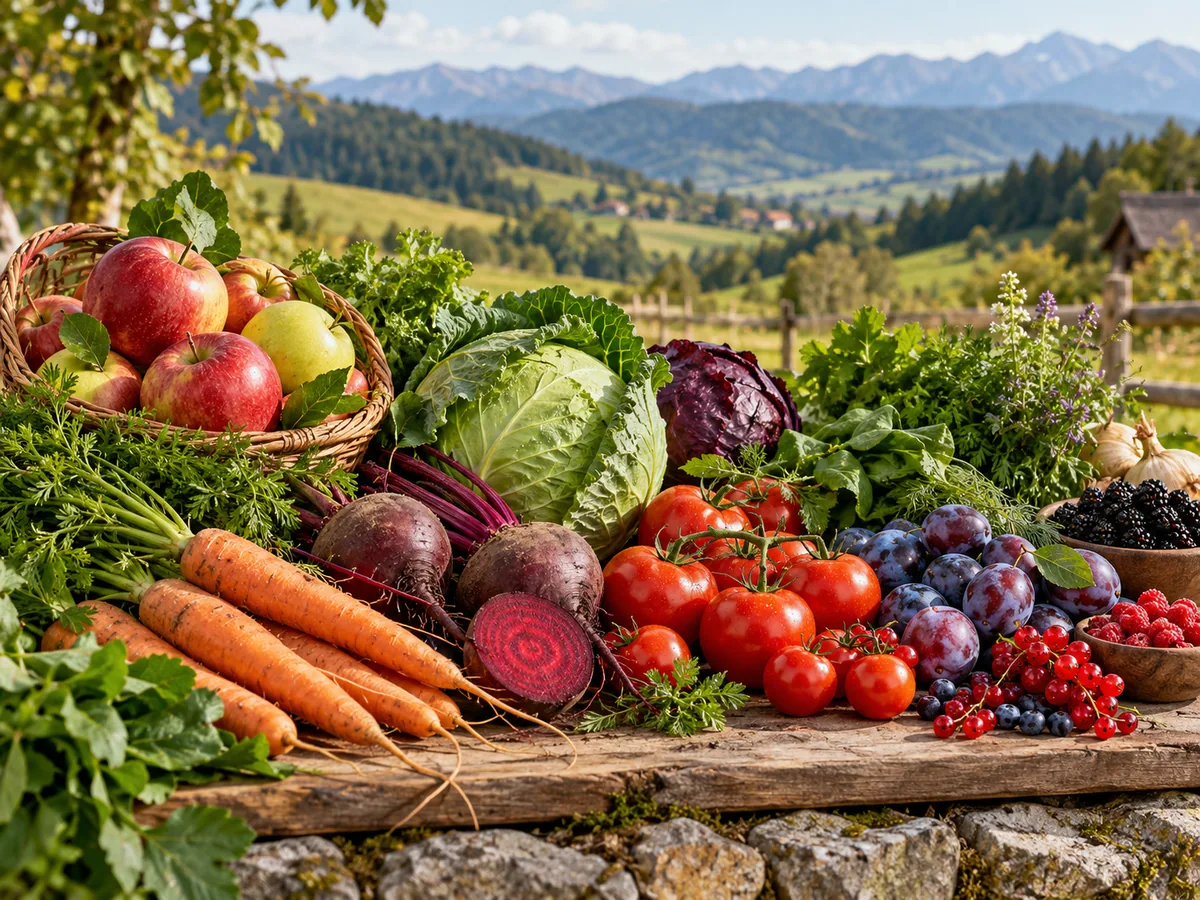
Fruit & vegetables
Seasonal produce, fruit preparations, vegetables and plant-based ingredients.
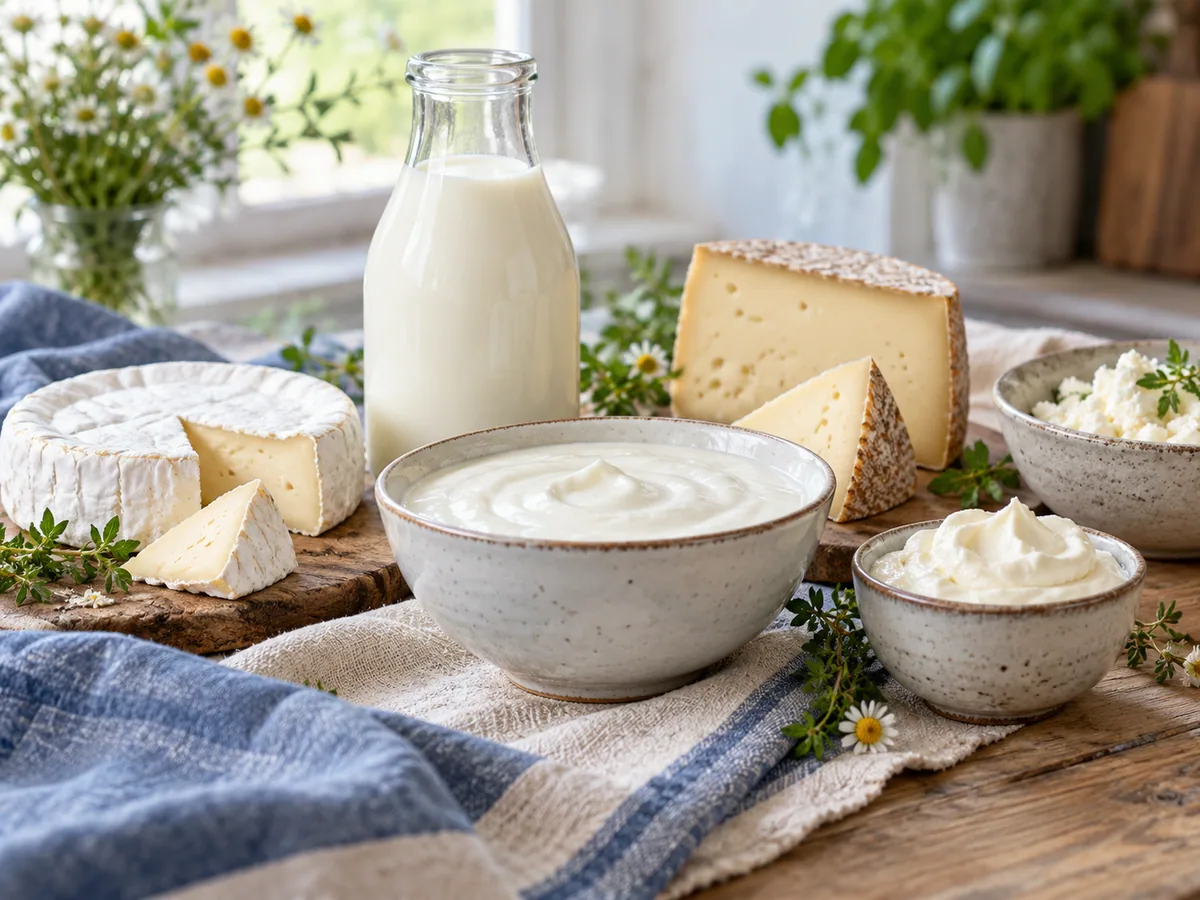
Dairy products
Milk, yoghurt, cheese and other certified dairy products.
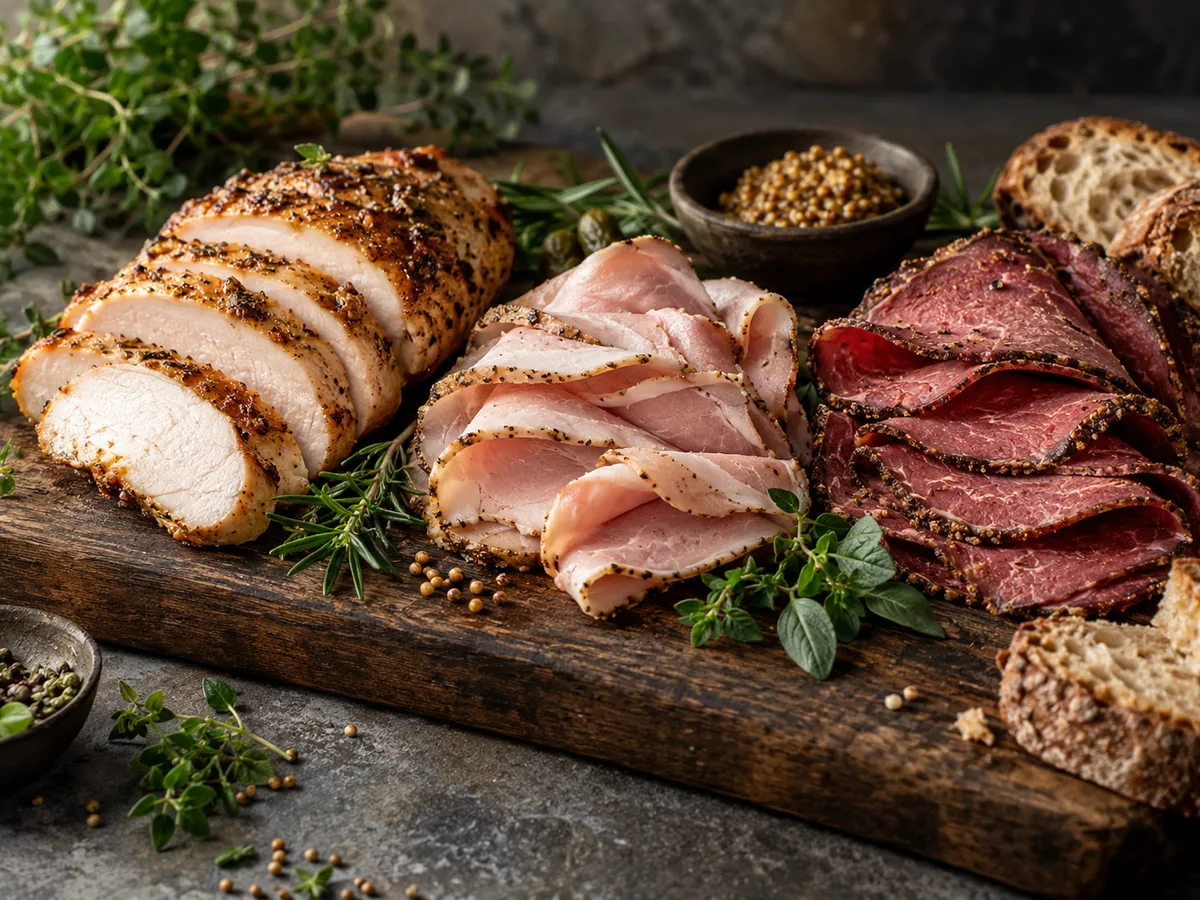
Meat & meat products
Poultry, pork and beef products, including selected cured and prepared meats.
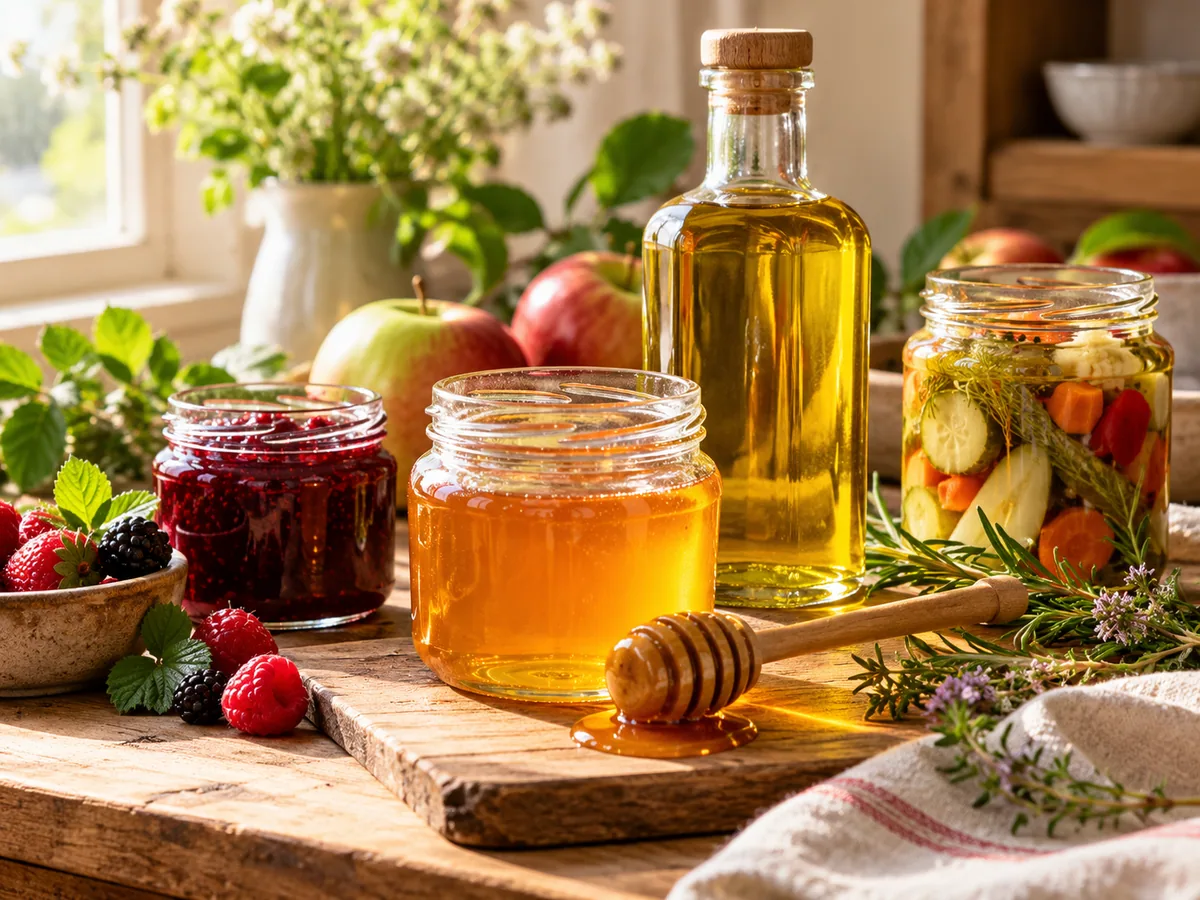
Honey, oils & preserves
Honey, cold-pressed oils, fruit spreads, vegetable preserves and pantry specialities.
Product availability and ranges differ by market. Always verify the certification and information shown on the individual product label.
Read & learn
Three practical guides
Short, visual articles designed to make organic choices easier to understand and use.
05 · Everyday inspiration
How to use organic products every day
Organic food can fit naturally into familiar meals. Start with products you use often and build from there.
Begin with one staple
Try organic oats, flour, milk, yoghurt, eggs or oil in a meal you already prepare.
Follow the seasons
Choose seasonal fruit and vegetables and explore regional varieties from Poland and Romania.
Plan before shopping
Check what you already have, make a list and buy quantities you can realistically use.
Waste less
Store products correctly, use leftovers creatively and freeze suitable portions for another day.
06 · Frequently asked questions
Clear answers for confident choices
Does “natural” mean the same as “organic”?
No. “Organic” refers to a regulated production and control system. A description such as “natural” does not by itself confirm organic certification.
Who checks organic producers?
Operators are checked by an authorised control authority or control body. Once compliance is confirmed, they receive certification allowing eligible products to be marketed as organic.
Does the euro-leaf mean every ingredient is organic?
Not necessarily. For eligible processed food carrying the logo, at least 95% of the agricultural ingredients by weight must generally be organic, with strict conditions applying to the remainder.
Does organic always mean local?
No. “Organic” describes the production and control method. The farming-origin statement next to the logo helps you see where the agricultural raw materials were produced.
Why can organic products cost more?
Prices vary. Differences may reflect production methods, labour, certification, scale, processing, transport and market conditions. A higher price is not itself proof that a product is organic — check the label.
Can the EU organic logo certify a restaurant?
The EU organic logo cannot be used for mass-catering operations such as restaurants or hospitals. Restaurants may communicate about individual certified ingredients only in ways permitted by the applicable rules and without misleading guests.
Ready to explore?
Discover organic products
Official information: This educational guide is based on the European Commission’s organic farming information and Regulation (EU) 2018/848. Product labelling and market requirements should always be verified for the product and country concerned.